From Hype to Reality: Managing Agentic AI Expectations and Delivering Actual Value in 2026
Cut through agentic AI hype with realistic 2026 timelines, proven use cases, and ROI strategies for agencies and startups to drive smarter projects.

From Hype to Reality: Managing Agentic AI Expectations and Delivering Actual Value in 2026
Agentic AI promises autonomous systems that plan, decide, and act toward goals with minimal human input, but amid the buzz, CTOs, tech leads, startup founders, and developers need grounded insights to separate viable implementations from vaporware. This article dissects realistic timelines and use cases for 2026, highlighting where agentic AI delivers measurable ROI today and where overhype persists, empowering you to lead informed client discussions and project roadmaps.
Understanding Agentic AI: Beyond the Buzzwords
Agentic AI evolves AI from passive responders—like generative models producing text or images—to proactive entities that decompose complex goals, execute multi-step plans, and adapt via feedback. Core components include planning modules, semantic memory for context retention, natural language processing, tool-use interfaces for APIs, and self-reflective learning engines.
Key distinctions from traditional AI:
| Feature | Agentic AI | Generative AI | Traditional AI |
|---|---|---|---|
| Autonomy | High: Minimal oversight | Variable: Prompt-dependent | Low: Rule-based |
| Function | Goal-oriented actions | Content creation | Repetitive tasks |
| Planning | Multi-step, adaptive | Single response | Predefined scripts |
These systems excel in long-horizon reasoning, simulating outcomes and coordinating resources across multimodal data. For instance, an agent might screen thousands of medical images for anomalies, refining strategies through reinforcement learning.
Yet, 2026 isn't a magic year for full autonomy. Industry leaders predict dominance in specific domains, driven by data modernization and cloud infrastructure, but emphasize domain-specific models over general-purpose miracles.
Realistic Timelines for Agentic AI Maturity in 2026
2026 marks a pivot from chatbots to actionable agents, with enterprises demanding outcomes in workflows like network management and document review. Projections indicate agentic AI redefining jobs across levels, potentially unlocking a $1 trillion market by 2040, but near-term wins focus on augmentation, not replacement.
Maturity phases by 2026:
Challenges persist: brittleness in edge cases, governance needs, and dependency on quality data. Deloitte urges continual assessment to match tasks to agent capabilities.
Proven Use Cases Delivering ROI Today
Focus on narrow, high-impact applications where agentic AI shines, yielding 20-50% efficiency gains in pilots.
1. Customer Support and IT Operations
Agentic systems handle multi-step inquiries autonomously: verify billing errors, issue refunds, update CRMs—all without humans. In retail, agent swarms personalize experiences by analyzing behaviors in real-time.
Actionable Example: Deploy an agentic RAG (Retrieval-Augmented Generation) system as an "AI assistant" for human reps, retrieving knowledge bases and drafting responses—boosting resolution speed by 40%.
Pseudo-code for agentic support agent using frameworks like AutoGen
from autogen import AssistantAgent, UserProxyAgent
config_list = [{'model': 'gpt-4o', 'api_key': 'your_key'}]
support_agent = AssistantAgent(
name="SupportAgent",
llm_config={'config_list': config_list},
system_message="Verify billing, correct errors, update CRM via API."
)
user_proxy = UserProxyAgent(name="User")
user_proxy.initiate_chat(support_agent, message="Customer reports incorrect charge on invoice #12345.")
2. Security and Threat Response
Security agents analyze traffic, detect anomalies, assess severity, and respond in seconds—far surpassing alert-only tools.
ROI Insight: Automated threat hunting reduces response time from hours to seconds, prioritizing remediations by risk. Vulnerability agents continuously scan and patch, cutting breach risks by 30% in early adopters.
3. DevOps and Incident Management
Agents orchestrate incident response: diagnose issues, roll back deployments, notify teams. Frameworks like LangGraph enable ReAct reasoning (Reason + Act) for flexible decision-making.
Practical Tip: Start with Microsoft's Semantic Kernel for enterprise observability—integrates plugins via OpenAPI, supports multi-language (Python, C#).
Overhyped Areas: Where to Pump the Brakes
Not all promises pan out by 2026. Avoid:
Reality Check: Agentic AI thrives in dynamic but bounded environments; open-world generality awaits 2030+ advancements.
Building and Deploying Agentic Systems: Frameworks and Best Practices
Leverage 2026's top frameworks for rapid prototyping:
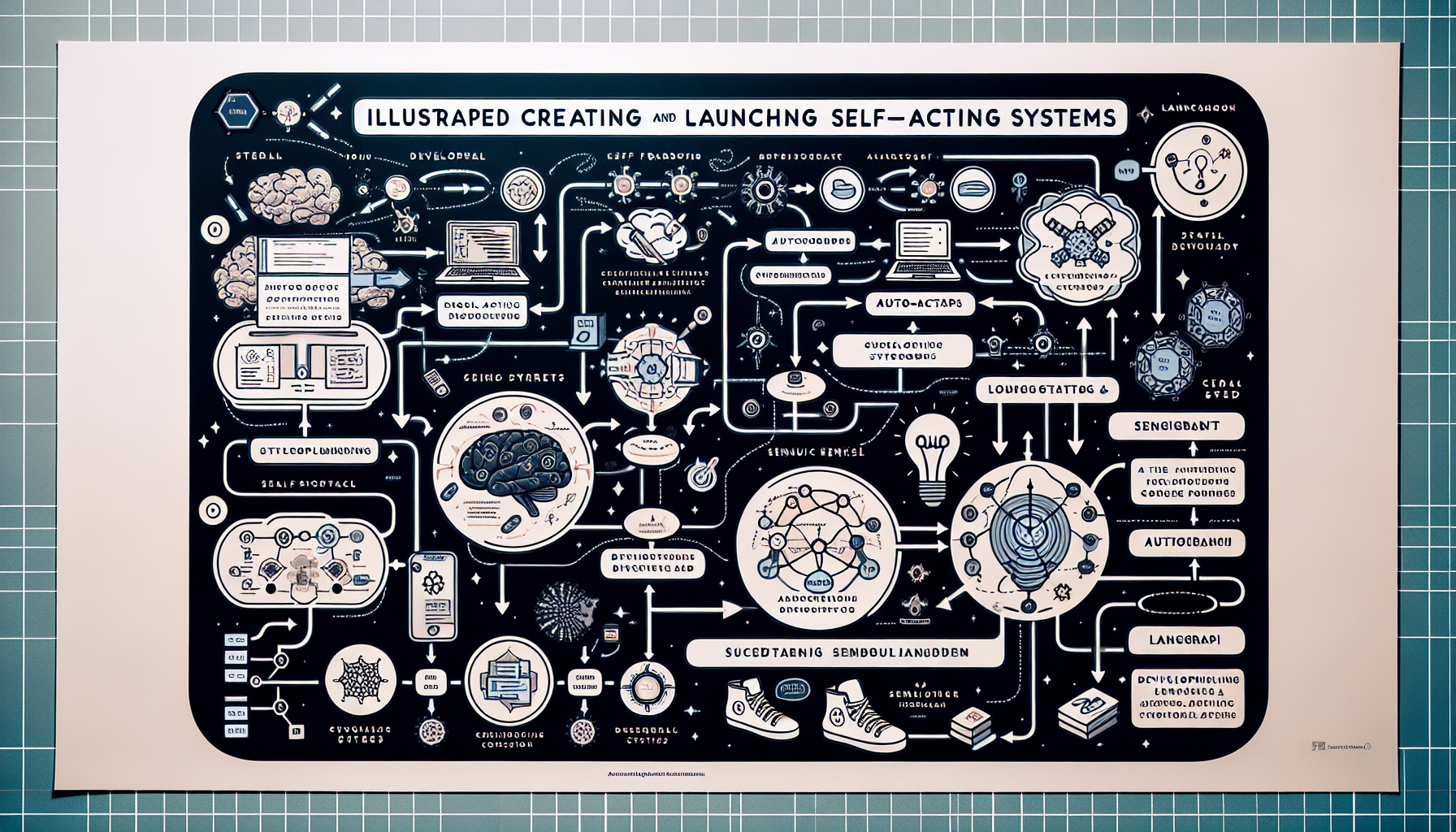
| Framework | Key Strength | Best For |
|---|---|---|
| AutoGen | Multi-agent orchestration | Collaborative workflows |
| LangGraph | ReAct reasoning, zero-code | No-code prototyping |
| Semantic Kernel | Enterprise plugins, observability | Business logic integration |
Deployment Roadmap:
Code Snippet: Multi-Agent Orchestration
Example using CrewAI for retail inventory agent swarm
from crewai import Agent, Task, Crew
forecaster = Agent(role='Demand Forecaster', goal='Predict inventory needs')
optimizer = Agent(role='Supply Optimizer', goal='Reroute orders')
task1 = Task(description='Forecast demand from sales data', agent=forecaster)
task2 = Task(description='Optimize supply chain', agent=optimizer)
crew = Crew(agents=[forecaster, optimizer], tasks=[task1, task2])
result = crew.kickoff()
Measuring ROI: Metrics That Matter
Quantify value:
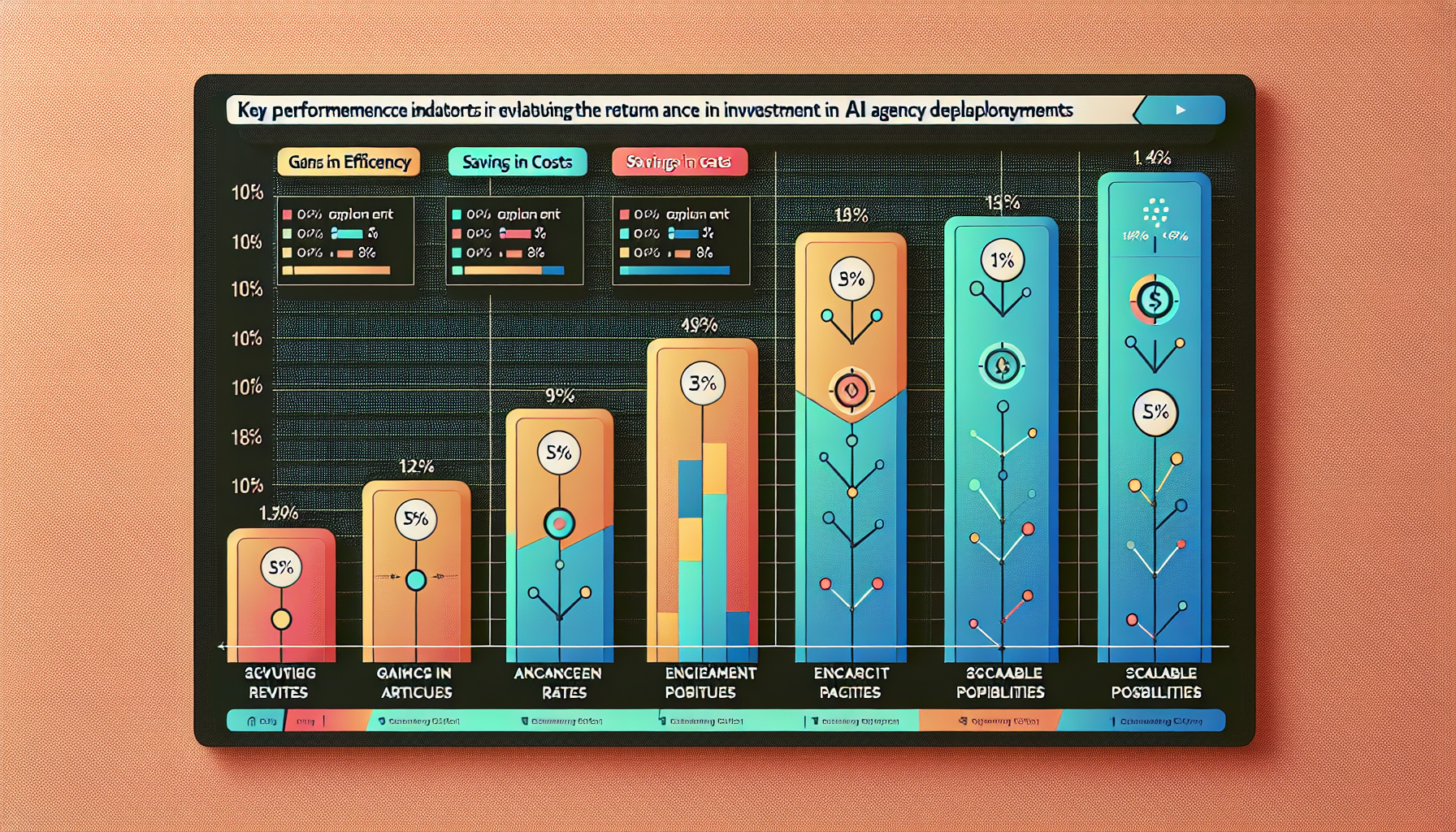
Track via observability tools in frameworks like Semantic Kernel.
Future-Proofing Your Strategy
By late 2026, expect specialized agents in retail (dynamic pricing), federal workflows (data entry), and beyond. Agencies should pitch hybrid human-AI teams for resilient outcomes.
Conclusion: Turn Hype into High-Impact Projects
Agentic AI in 2026 delivers real value in bounded automation—security, support, DevOps—while broader autonomy matures. As a tech leader, prioritize pilots with clear KPIs, robust frameworks, and governance to showcase ROI and build client trust.
Curious what bounded automation looks like shipped rather than described? Browse our showcase of what the agent fleet has delivered.
Call-to-Action: Audit your workflows today—identify one agentic pilot opportunity. Contact Tytarenko AI Agency for a free consultation to roadmap your 2026 agentic strategy. Let's transform hype into revenue.
FAQ
What is agentic AI and how does it differ from traditional AI?
Agentic AI refers to autonomous systems that can plan, decide, and act toward goals with minimal human input. Unlike traditional AI, which is rule-based and performs repetitive tasks, agentic AI is characterized by high autonomy, goal-oriented actions, and multi-step adaptive planning.
What are the realistic timelines for agentic AI development by 2026?
By 2026, agentic AI is expected to transition from chatbots to actionable agents, with enterprises focusing on augmentation rather than replacement. The maturity phases include single-agent automation in structured environments by early 2026, multi-agent orchestration by mid-2026, and enterprise-scale deployment with governance by late 2026.
What are some proven use cases for agentic AI delivering ROI today?
Agentic AI is currently delivering ROI in areas like customer support and IT operations, where it handles multi-step inquiries autonomously, and in security and threat response, where it analyzes traffic and responds to threats quickly. These applications yield efficiency gains of 20-50% in pilots.
What are the challenges facing agentic AI development?
Challenges for agentic AI include brittleness in edge cases, the need for governance, and dependency on quality data. While agentic AI can excel in dynamic but bounded environments, achieving full autonomy and general-purpose applications remains a challenge.
What frameworks are recommended for building and deploying agentic AI systems?
For building and deploying agentic AI systems, recommended frameworks include AutoGen for multi-agent orchestration, LangGraph for ReAct reasoning and no-code prototyping, and Semantic Kernel for business logic integration and observability. These frameworks support rapid prototyping and enterprise integration.
Related reading
Maksym Tytarenko
AI & SaaS Development Expert at Tytarenko AI Agency
Related Articles
Thirty-Four Minutes to Two: What pytest-xdist Exposed in a Nearly 9,000-Test Suite
pytest-xdist cut my agent fleet's CI test step from 34m40s to about two minutes. The speedup was the easy part: parallel runs exposed three classes of shared state the serial suite had been hiding.
12 min readAI & MLA Unity Editor inside the agent container: how our fleet shipped its first game
How an autonomous agent fleet got a real Unity Editor, a GPU and a licence inside its task containers, what broke on the way, and the first browser game it shipped end to end.
6 min readAI & MLWhen the Tripwire Cries Wolf: Small-Sample Review Metrics in an Agent Fleet
Two model tiers in my agent fleet tripped a degradation alarm on the same night. The data said 7 of 12 and 7 of 13, p around 0.12. A post-mortem on correlated small samples, and the three-part fix the fleet shipped itself.
10 min readReady to Build Your AI-Powered Solution?
Let's discuss how we can help you leverage AI to transform your business.
Get in Touch